
First-time importers
A first shipment brings new words, new documents and new costs. You do not need to know them all before you start. This page lists what a first import needs and how we arrange it, in plain steps with the terms explained.
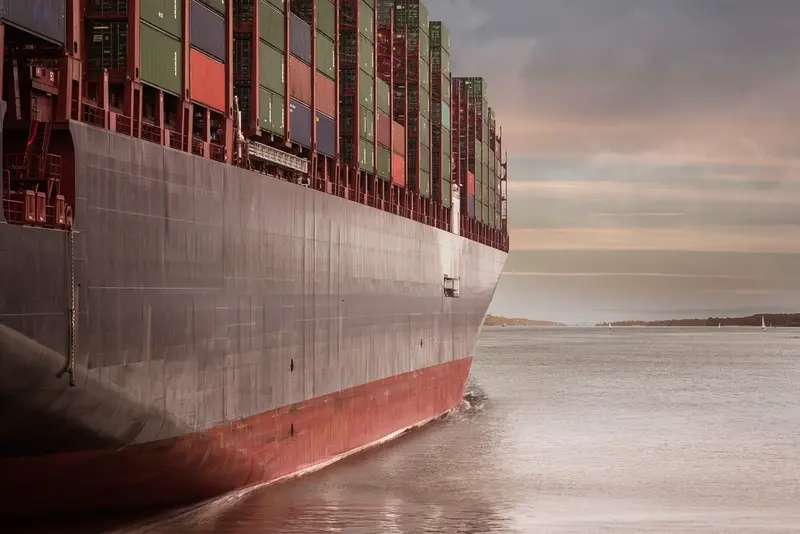
What this cargo needs
- A supplier invoice and a packing list that match each other and the goods.
- An agreed Incoterm. This is a standard trade term, such as FOB or DAP, that says who arranges and pays for each part of the move.
- A customs declaration, made by a licensed customs broker, using the right tariff code for the goods.
- Any permit or licence that the product needs at destination. Check this with the authority before you buy.
- A plan for the last mile: who collects the cargo at the port, and where it goes next.
- A clear view of the costs: freight, local charges at both ends, duties and taxes where they apply, and insurance if you want it.
How we arrange it
We start from what you are buying and where it is going, then choose the freight: LCL if your goods fill part of a container, full container load if they fill most of one, or air cargo if speed matters more than cost.
We prepare and check the trade documentation, coordinate customs declarations with licensed customs brokers, and arrange haulage from the port to your door. If you want to be covered against loss or damage, we arrange cargo insurance with insurers. The guide to reading a freight quote explains each line.
A typical flow
- You tell us what you are buying, from where, and to where.
- We ask for the facts we need and quote the freight, saying what is covered.
- You confirm the Incoterm with your supplier and we book the freight.
- The supplier sends the invoice and packing list. We check them against each other.
- A licensed customs broker makes the declaration, and we coordinate it.
- The cargo moves and arrives, and we arrange delivery to your address.
- We confirm delivery by email.
What to send us
- What you are buying, with the supplier's name and city.
- The supplier's invoice or price quote, if you have one.
- Your delivery address and who will receive the cargo.
- How the goods are packed, and the weight and size of the order.
- The date you want the goods.
- Your questions. Send them with the enquiry and we answer them in plain words.
Questions
I do not know my Incoterm. Can I still ask for a quote?
Yes. Send what you agreed with your supplier, even if it is only a price. We can explain the term and tell you what it means for the quote. The Incoterms guide is a good place to start.
Will I be told about extra charges?
The quote says what it covers and what it does not, so you can see which costs fall outside it. Duties and taxes at destination depend on the goods and the country, so check them before you commit.
Can you tell me which documents I need?
Yes, in general terms. Which documents apply depends on the goods and the route. The shipping documents guide lists the common ones.