
Food and temperature-sensitive goods
Some cargo has to stay at a set temperature the whole way. This page covers food and other temperature-sensitive goods: what the cargo needs, how we arrange the equipment and trucking, and what you should check before you ship.
What this cargo needs
- A storage temperature that you set. That is your specification, and we pass it to the carrier exactly.
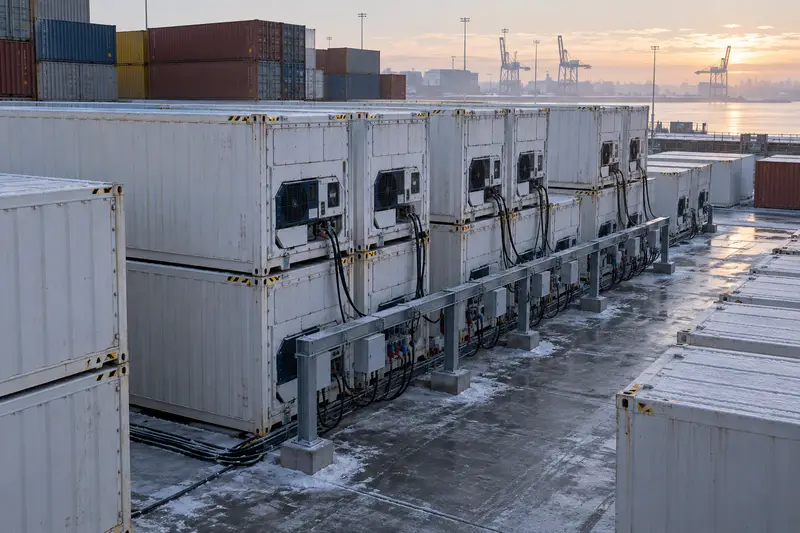
- Cargo at the right temperature when it is loaded. A reefer container keeps cargo cold but does not pull it down quickly.
- Packaging and pallet patterns that let air move round the cargo.
- Power at each handover. A refrigerated container needs it while it waits.
- Paperwork that suits the product. Food import rules vary by product and destination, so check them with the authority or your buyer before booking.
- Shelf-life dates that leave room for delay.
How we arrange it
We book reefer containers and temperature-controlled air space, pass your set point and airflow instructions to the carrier, and coordinate the pre-trip check and the power at both ends. For smaller volumes, air cargo with temperature control may fit better, and for urgent samples, express.
Trucking is booked with temperature control, and cross-border trucking is arranged with licensed cross-boundary carriers. Where cold storage is needed, we arrange it with third-party facilities. Customs declarations go through licensed customs brokers. We can also arrange cargo insurance with insurers.
A typical flow
- You send the product, the temperature range, the route and the ready date.
- We confirm what equipment fits and quote the move.
- We book the reefer or cold air space and confirm the set point with the carrier.
- The carrier checks the unit before use, and we coordinate power and pre-cooling.
- Cargo is loaded at its correct temperature and stowed for airflow.
- Documents are prepared and customs declarations are coordinated with a licensed broker.
- Cargo is delivered at destination, and we tell you by email.
What to send us
- The product, how it is packed and whether it is chilled, frozen or other.
- The required temperature range or set point, in your own specification.
- Weight, volume, pallet type and carton count.
- Origin, destination and ready date.
- Any import permits or health papers you hold or need. Check what your product needs at destination.
- Whether you need a temperature logger.
Questions
Do I need a permit to import food?
It depends on the product and the destination country. Rules differ, so check them with the destination authority or your buyer before you book. We coordinate the paperwork you give us with the right party.
Who decides the temperature?
You do. The temperature comes from your product specification or your buyer's requirement. We pass it to the carrier and do not set it ourselves.
Can you store cold goods?
We arrange cold storage with third-party facilities. We do not run a cold store ourselves.